
What is nuclear waste reprocessing?
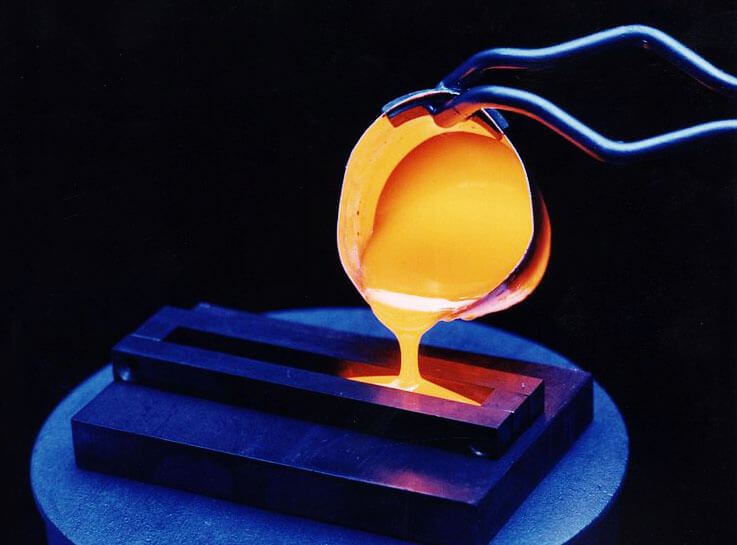
Nuclear reprocessing, sometimes referred to as recycling, is the chemical process used to separate fission products from spent nuclear fuel. Uranium and plutonium are extracted from spent nuclear fuel and other materials including fission products are kept for storage and disposal.
Historically, reprocessing was used to extract fissile plutonium from spent fuel for nuclear weapons purposes. It has also been used to create a nuclear fuel made from reprocessed plutonium and uranium called mixed-oxide fuel (MOX) for use in thermal nuclear power plants. By doing so, there is a 25-30% increase of energy use from the original uranium.
Currently, there is about 500,000 metric tons of spent fuel worldwide, 30% of which has been reprocessed. The global capacity for nuclear reprocessing is approximately 2,000 metric tons per year. The use of reprocessing decreases the volume of nuclear waste, but it increases the heat load and does little to change the need for a geologic repository. No matter what technology you use, there will be a waste product that needs to be disposed of for a very long time.
Reprocessing use varies by country and its use is dependent upon issues such as uranium supply, economics, and proliferation concerns. Presently France, Russia, China, and Japan, use reprocessing for some portions of their spent nuclear fuel industry. At present time there are active R&D programs, but there is no economic case or commercial path forward for reprocessing in the United States.