
Technology Demonstration (2026)
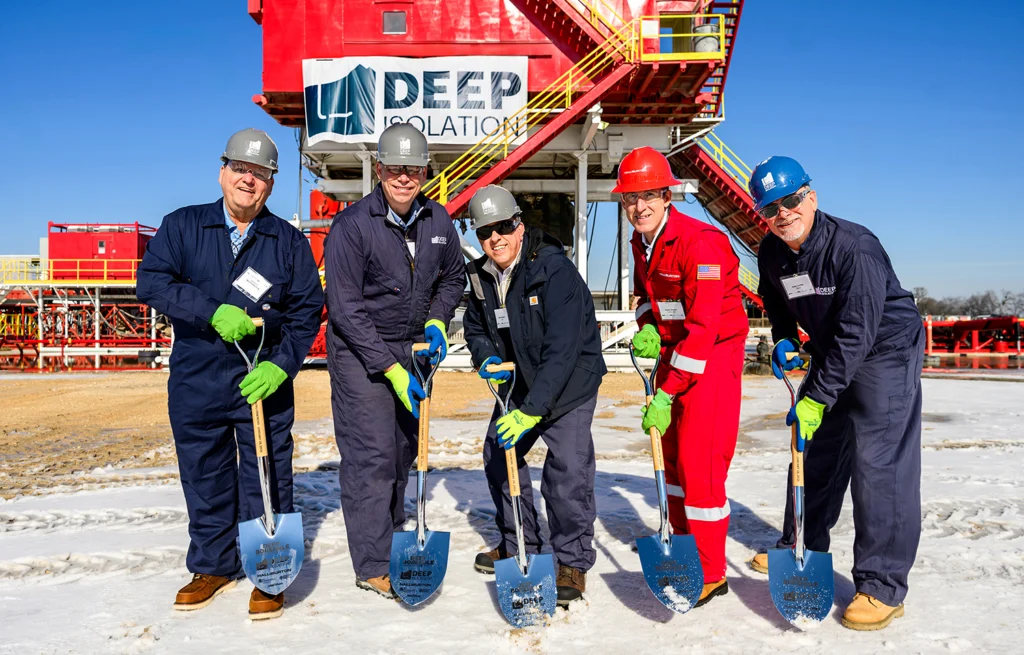
On January 28, 2026, Deep Isolation held a groundbreaking ceremony to mark the launch of its multi-year, full-scale, at-depth deep borehole demonstration program at the Deep Borehole Demonstration Center (DBDC) near Cameron, Texas. The program is being carried out in collaboration with Halliburton, Amentum, NAC International, Occlusion Nuclear Solutions, and the DBDC.
This full-scale, nonradioactive demonstration is designed to show how deep borehole disposal works under real conditions, providing clear, observable results for regulators and industry stakeholders while advancing the technology toward commercial use by validating critical assumptions, reducing technical and regulatory risk, and supporting future projects and regulatory approvals.
Watch the video.
Universal Canister System (UCS)
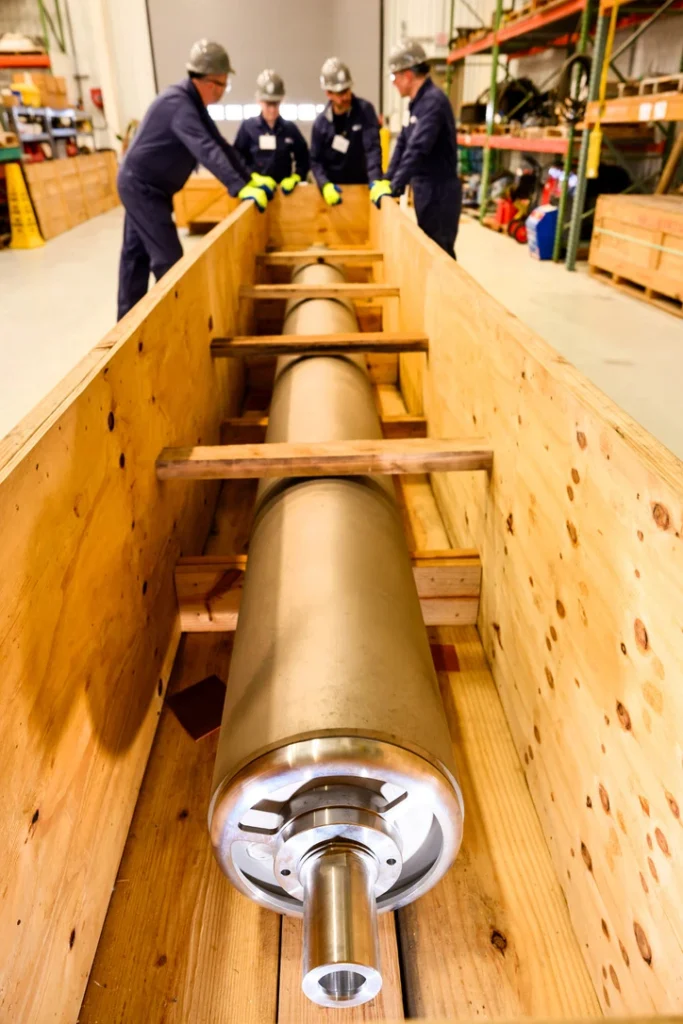
At the center of the demonstration is Deep Isolation’s Universal Canister System (UCS), which is designed to safely store, transport, and dispose of spent nuclear fuel and high-level radioactive waste.
The UCS was developed over a three-year period through the DOE-funded Project UPWARDS, where it was engineered, fabricated, and tested to manage waste from advanced reactors. Additional testing under Project SAVANT confirmed that the materials used in the canister and borehole system can resist corrosion and maintain their strength in deep underground environments.
Together, this work supports the next phase of the demonstration program, which will demonstrate UCS handling, emplacement into, and retrieval from a deep borehole using full-scale equipment and procedures.
Full-Scale End-to-end Demonstration
The demonstration is being carried out as a multi-phase program focused on full-scale testing under real-world conditions.
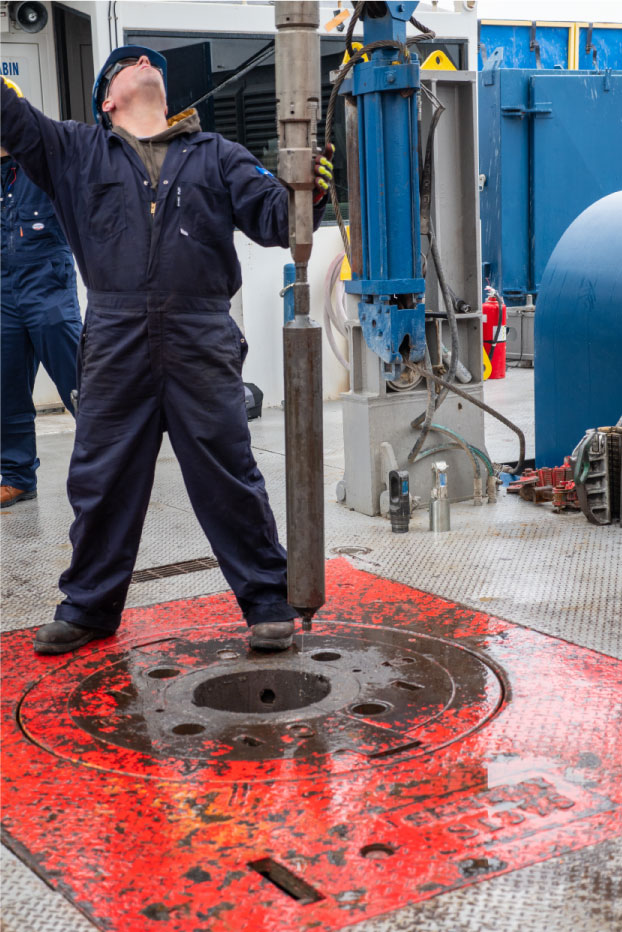
Phase I begins with the drilling of a deep borehole in geology similar to a real disposal site, followed by the emplacement and retrieval of a full-scale Universal Canister System (UCS) canister using standard industry equipment. These operations are designed to closely reflect how the system would function in an actual disposal setting.
Subsequent phases include:
- Fabrication and testing of repository surface handling equipment.
- Simulated surface operations, including canister staging, transfer, and interface with the borehole.
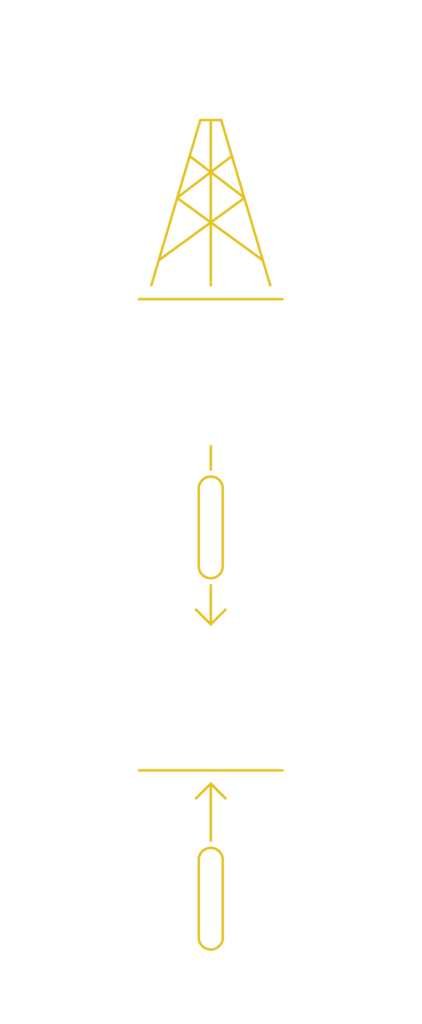
- A complete end-to-end demonstration moving a UCS canister from surface storage through emplacement into, and retrieval from, a deep borehole.
No radioactive material will be used during the demonstration.
Previous Demonstration (2019)
In 2019, Deep Isolation conducted a field demonstration to emplace and retrieve a prototype canister in an existing deep horizontal borehole.
- The canister was lowered about 2,000 feet vertically
- It was pushed over 400 feet into a horizontal section
- It was successfully retrieved
This early test showed that both emplacement and retrieval are feasible and helped establish the foundation for today’s full-scale program.
Community Engagement Critical for Success
Building confidence in a solution like this requires openness and real-world demonstration. By engaging with stakeholders early and often, and by showing how the system performs under realistic conditions, we can support informed decision-making and long-term progress.

Additional Resources
Universal Canister System (UCS) for Advanced Nuclear Reactor Waste
The UCS supports advanced reactor development by providing designers with a comprehensive solution for the storage, transportation, and disposal of advanced reactor waste streams.

Deep Isolation’s Universal Canister System (UCS)
Deep Isolation’s UCS is inexpensive, timely, very safe, and can be implemented modularly to unlock a brighter future for the nuclear industry and for the world.

Deep Borehole Repository Demonstration Program
Deep Isolation is undertaking a full-scale, nonradioactive demonstration of a deep borehole repository to validate the technology readiness, operational safety, and commercial viability of its disposal solution.