
What is nuclear waste?
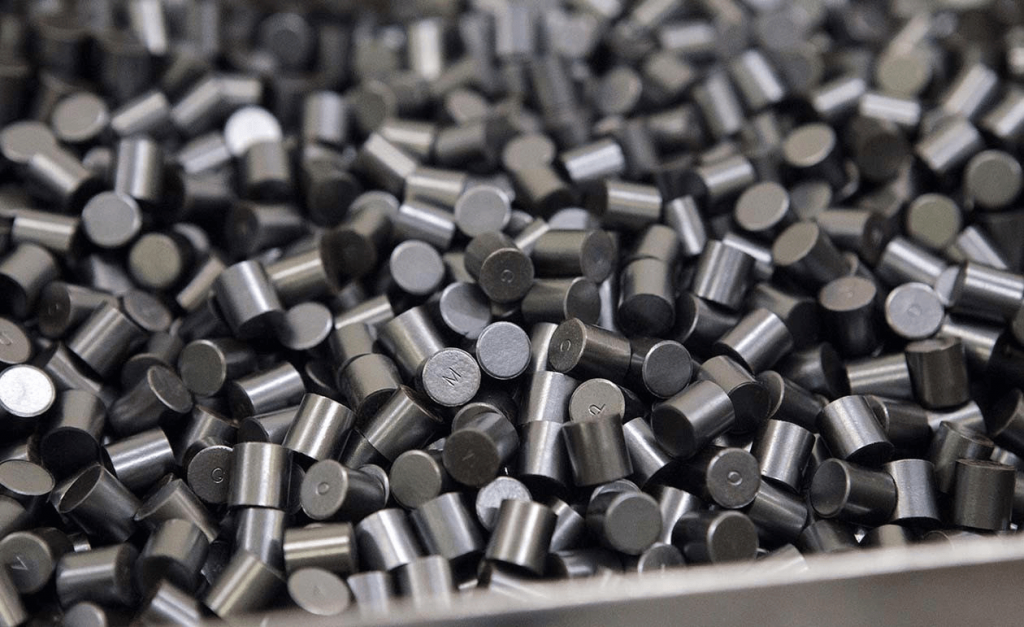
Nuclear waste is a type of waste that is radioactive, which means it emits ionizing radiation or particles. This waste is generated from the use of nuclear technology in industries such as energy, medicine, and nuclear weapons decommissioning. This means that even in countries where there is no nuclear energy production and there are no nuclear weapons, there is still nuclear waste to be stored and disposed of.
Nuclear waste started to accumulate as a result of military and civilian activities that began in the 1940s with the Manhattan Project, a U.S. research and development project that produced the world’s first nuclear weapons. Even though programs like these are long over, there still exists nuclear waste waiting for a disposal option.
Like many hazardous substances, nuclear waste is regulated by government agencies to protect human health and the environment. In the U.S., this agency is the U.S. Nuclear Regulatory Commission (NRC). Internationally, the International Atomic Energy Agency (IAEA) works for safe, secure, and peaceful uses of nuclear science and technology with safety guidelines and other material shared for use by government regulators. It’s important to note that while the IAEA has safety guidelines regarding nuclear waste, different governments have varying ways of defining, classifying, and regulating nuclear waste.
What are the types of nuclear waste?
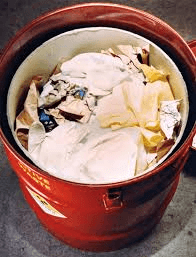
There are several classes and categories of radioactive waste and the two most common are low-level radioactive waste and high-level radioactive waste. Low-level radioactive waste generally includes materials that have been contaminated with radioactive material or have become radioactive through exposure with certain types of radioisotopes. This can include soil, debris, medical tubes, plastic bags, and metal. High-level radioactive waste is generally a hazard to humans and the environment for hundreds of thousands of years and is mostly spent nuclear fuel from power reactors and nuclear weapons program waste. It is the international scientific consensus that the safest way to store nuclear waste is to bury it deep underground to isolate it from the biosphere.
Low Level Waste
- Stored in shallow ditches or metal containers until no longer radioactive.
- Does not need permanent disposal.
- Examples: Soil, debris, medical tubes, plastic bags, and metal
High Level Waste
- Stored in spent fuel pools or large dry casks awaiting disposal.
- International consensus is to dispose of waste underground for long periods of time.
- Examples: Spent nuclear fuel from power reactors or nuclear weapons program waste